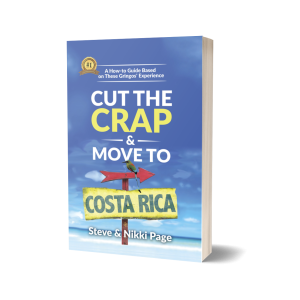

Everyone wants to trade their commute for a sunset in Manuel Antonio, but very few people understand the legal "crap" involved in actually making it happen. If you’re planning on working in Costa Rica, you need to know that the government has made it easier to get here, but harder to stay forever if you choose the wrong path.
Here is the honest breakdown of how to earn an income while living the Pura Vida lifestyle.
1. The Digital Nomad Visa: Great for Now, Bad for Later?
The Costa Rica Digital Nomad Visa (officially the Ley de Nómadas Digitales) is the fastest way for remote workers to stay in the country legally.
The Facts:
- Income Requirement: You must prove a stable income of at least $3,000 USD per month for individuals, or $4,000 USD per month if you are bringing your family.
- The Perks: You are exempt from Costa Rican income tax and you don't have to pay import taxes on the equipment you need for work (like your laptop or camera).
- The Duration: Under Law No. 10008, the visa is valid for one year. You can extend it for one additional year—but only if you have stayed in Costa Rica for at least 180 days during that first year.
Note: These 180 days do not have to be consecutive. You are free to leave and return, but your total time spent inside the country must add up to at least 180 days to qualify for the extension.
The "Crap" You Need to Know (The Residency Trap):
This is the part most blogs won't tell you: The Digital Nomad Visa is a category of "Estancia" (Stay), not "Residency."
- The Dead-End: The time you spend on this visa does NOT count toward the years required to apply for Permanent Residency or Citizenship.
- The Delay: If your long-term goal is to get a Costa Rican Cédula (ID card) and stay forever, starting with a Nomad Visa might actually delay your progress by two years.
⚠️ CRITICAL ADVICE: Do not DIY this. Contact a qualified Costa Rican immigration attorney. They can help you decide if you should skip the Nomad Visa and go straight for a Rentista or Inversionista residency if you plan on making Costa Rica your permanent home.
2. The Corporate Path: Working for Big Tech
Not everyone is a freelancer. Costa Rica is a massive hub for multinational corporations like Intel, Amazon, and Microsoft. These companies operate in "Free Trade Zones" and have the legal power to sponsor work visas for specialized international workers.
- The Reality: If you get hired by a local branch of a global company, they handle the heavy lifting of the visa process.
- The Trade-off: You’ll be a local employee. This means you get local social security (the CCSS or "Caja"), but you’ll also be paying local taxes and likely living in the Central Valley (San José, Heredia, or Alajuela) rather than on the beach.
3. The Real Downsides of Working in Paradise
We aren't here to sell you a dream; we’re here to give you the facts. Working from the jungle comes with specific frustrations:
- Infrastructure Failures: In many beach towns, a heavy rainstorm can knock out the power and the fiber-optic line for hours. If your job requires 99% uptime, you will need to invest in expensive backups like Starlink.
- The "Permit" Trap: You cannot legally work for a Costa Rican company or client on a Nomad Visa. If you try to start a local business (like a cafe or a surf school) without the proper residency and work permits, you risk fines and deportation.
- Bureaucracy: Everything—from opening a bank account to getting your visa approved—takes longer than you think. Patience is a requirement, not a suggestion.
4. Categories of Remote Work that Actually Work
If you decide to stay remote (earning money from outside Costa Rica), these are the most sustainable fields:
- Tech & Professional Services: Software development, data analysis, and accounting.
- Creative Roles: Content writing, graphic design, and video production.
- Specialized Consulting: High-level consulting roles easily clear the $3,000/month income threshold and offer the flexibility needed to navigate Costa Rican life.
Summary: Plan Before You Pack
Living as a Costa Rica expat is incredible, but it requires a strategic approach to income and law. Whether you are looking for a corporate transfer or applying for the nomad visa, get your legal ducks in a row first.
Contact a Costa Rican attorney to discuss which visa path actually fits your short- and long-term goals. A pro-tip for the road: The internet and power can be spotty, so buy a high-quality surge protector for your laptop—the tropical power surges are no joke.
Ready to dive deeper? Read our guide on The First Year as a Costa Rica Expat to see what the transition really looks like.